
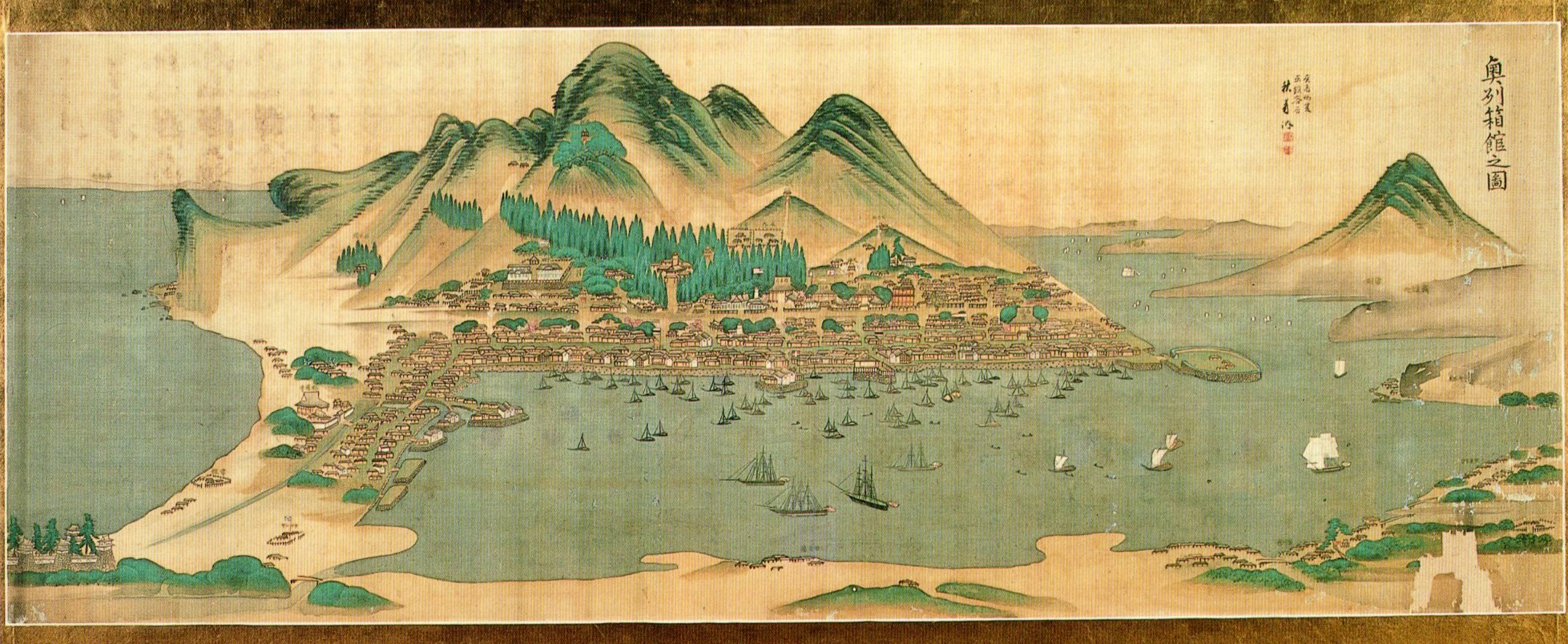
A 19th-century depiction of Hakodate Bay.
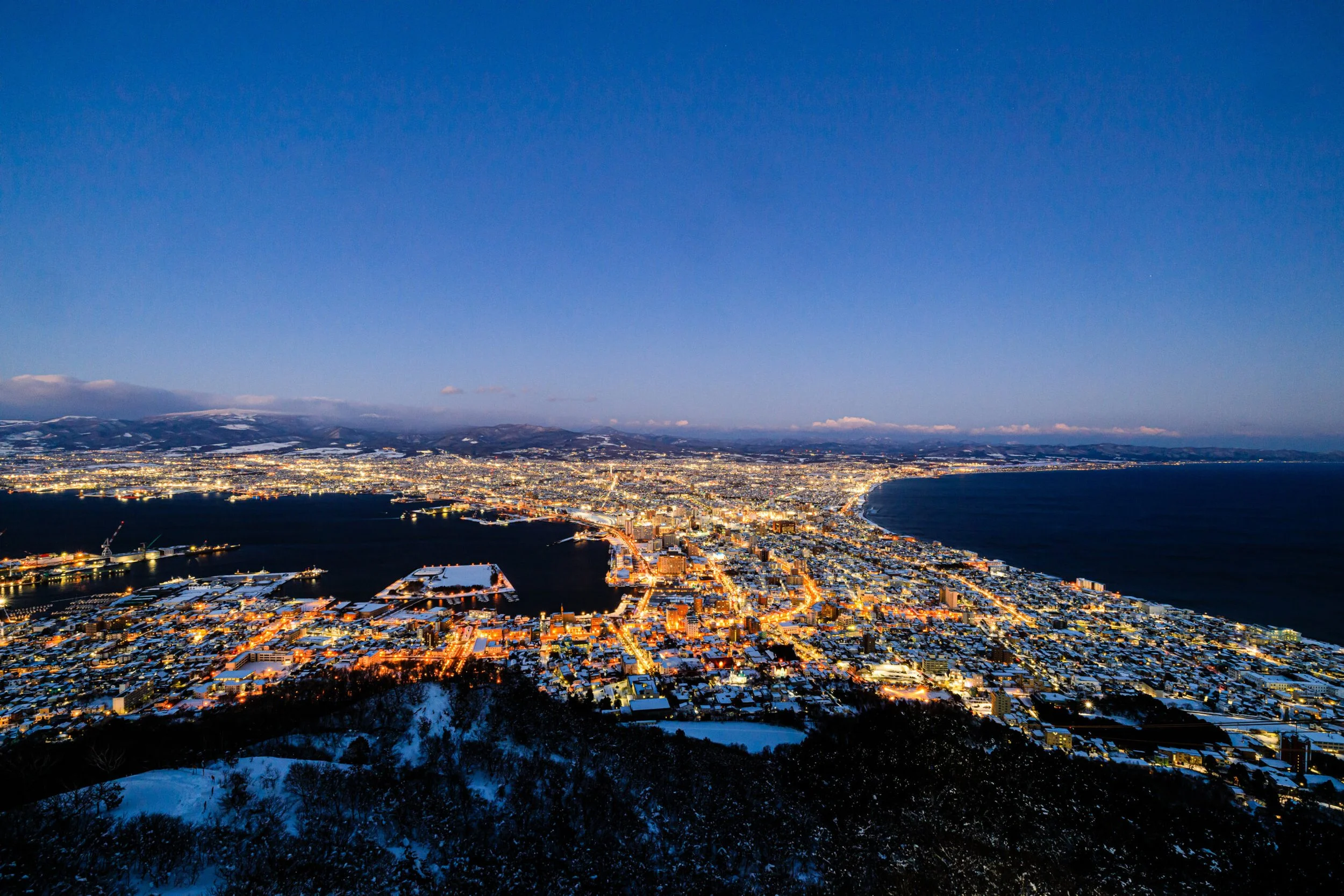
The view from the summit of Mt Hakodate as night falls. One of the three most beautiful night views in Japan.
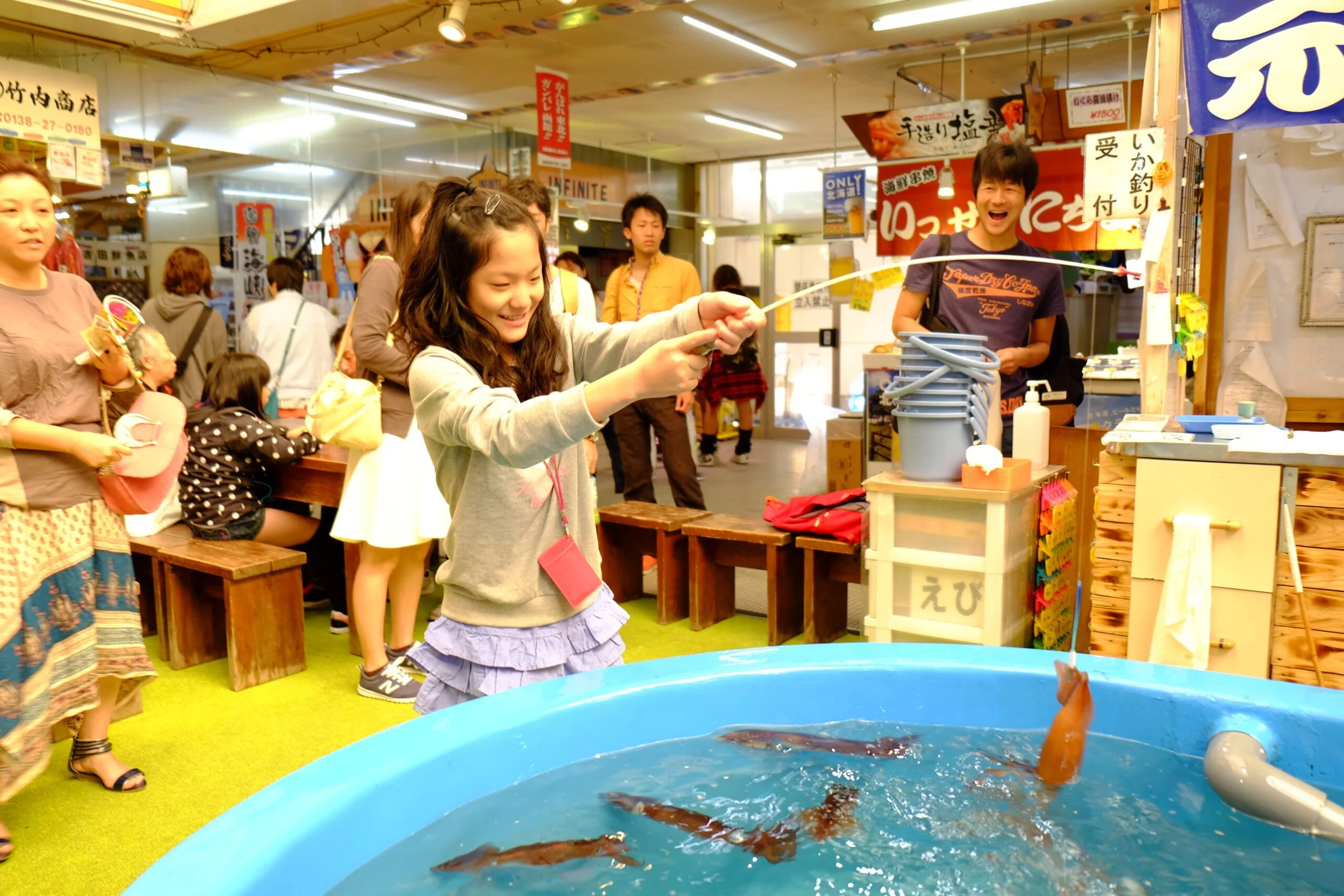
Fishing for squid in the Morning Market.
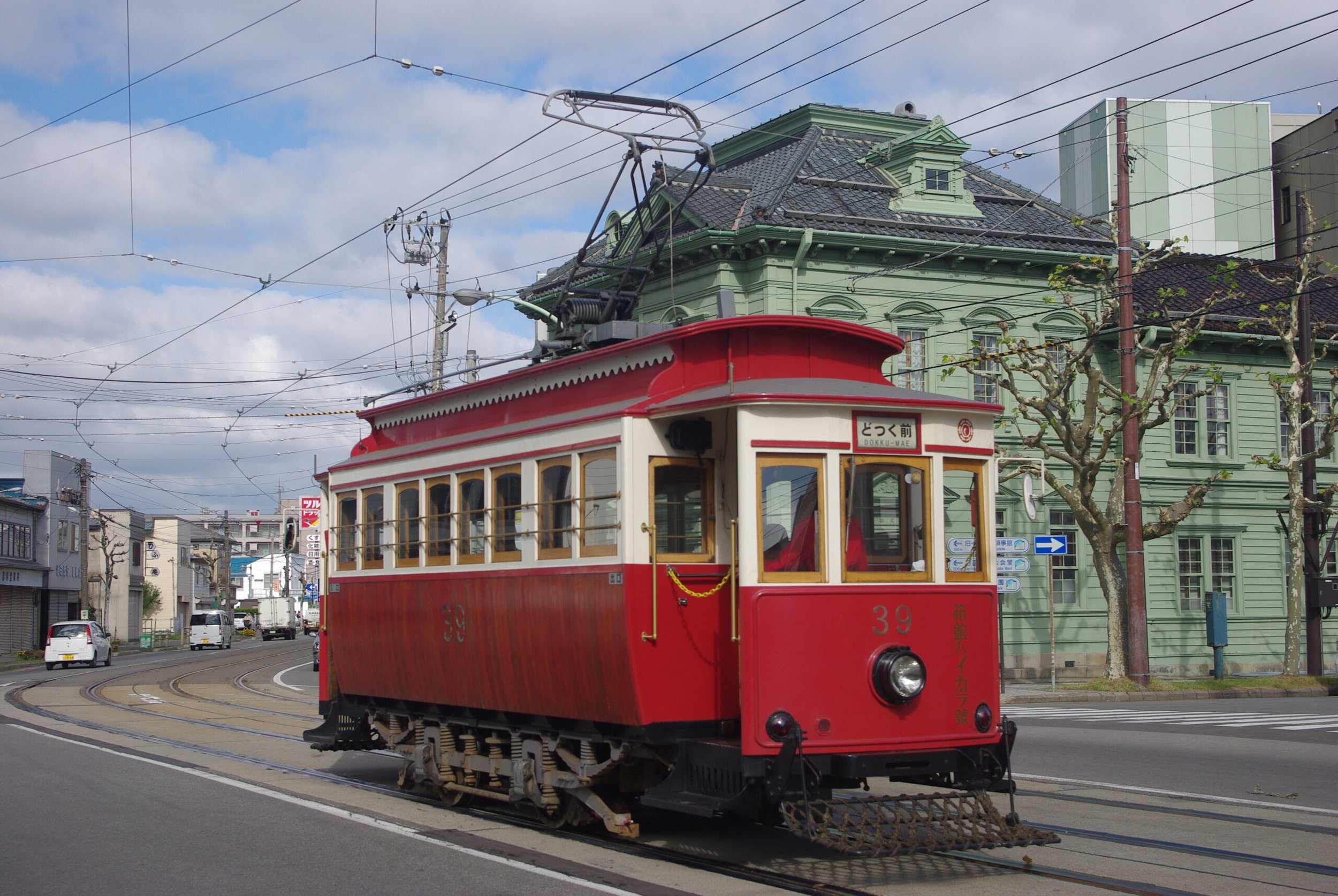
A tram in Hakodate. Hakodate still has tramlines featuring vintage trams as well as more modern ones.
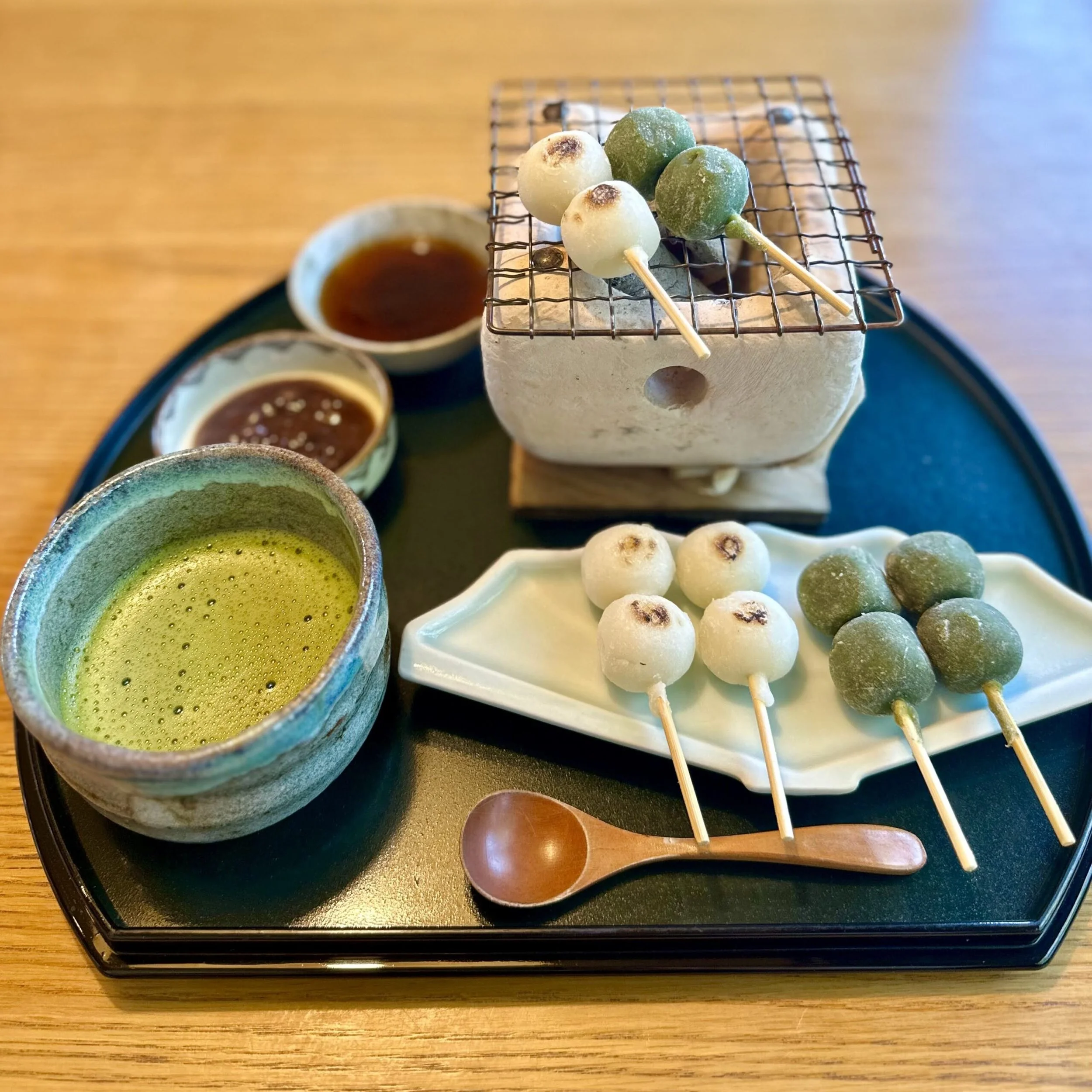
Grill your own dango at Kikuizumi, a Taisho-era merchant's house in the Motomachi district of Hakodate. Authentic interiors and delicious food.
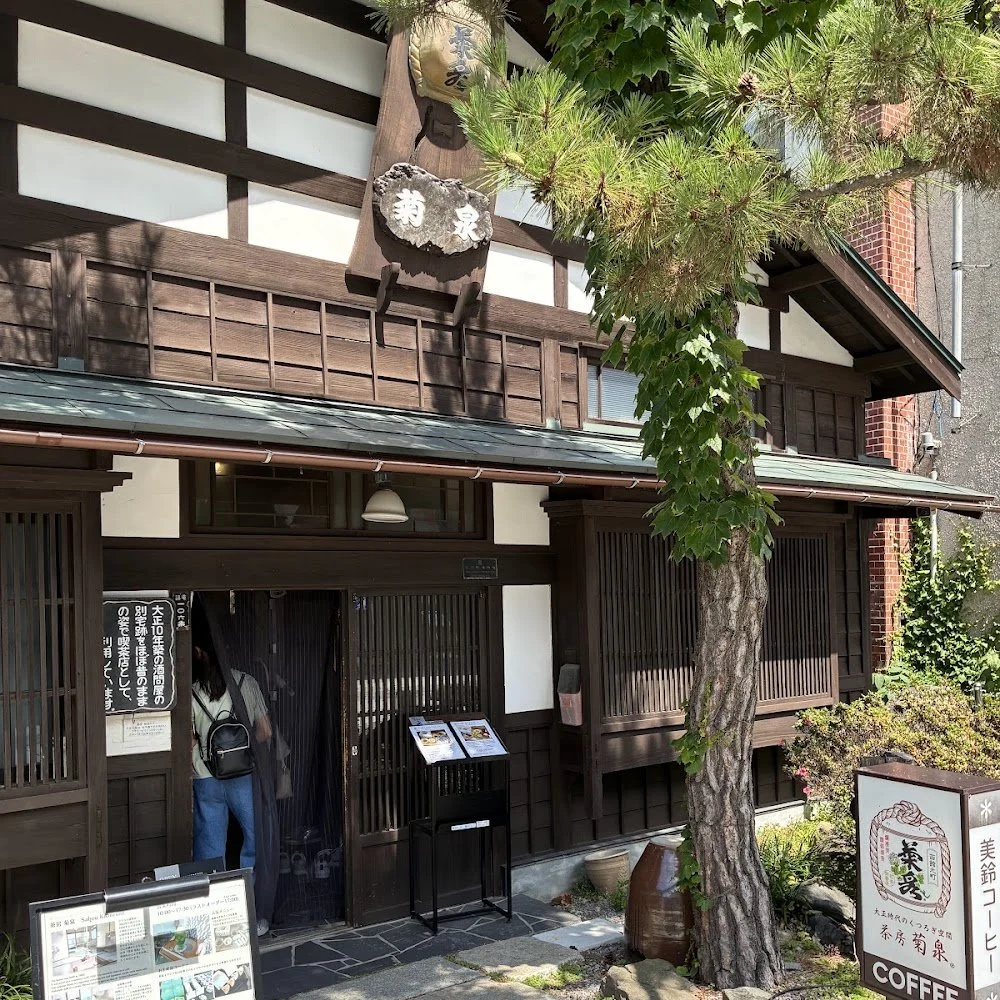
Kikuizumi restaurant in the Motomachi district of Hakodate.
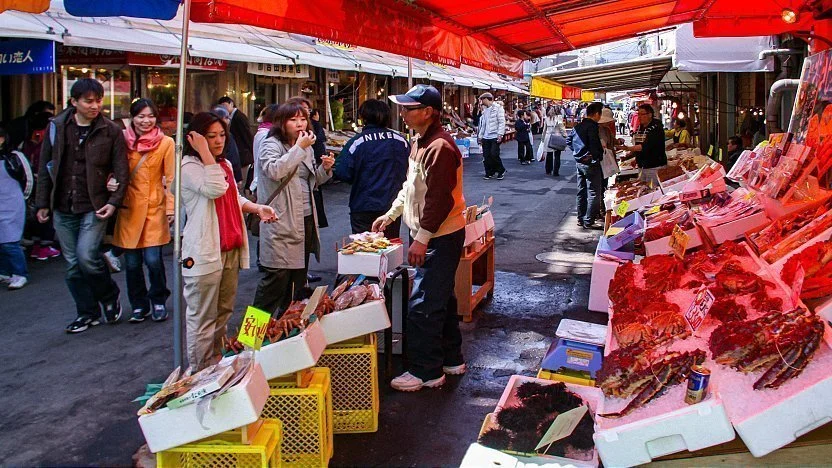
Hakodate morning market. Here you can fish for squid and have it prepared and brought to you immediately, as well as eat seafood caught that morning.
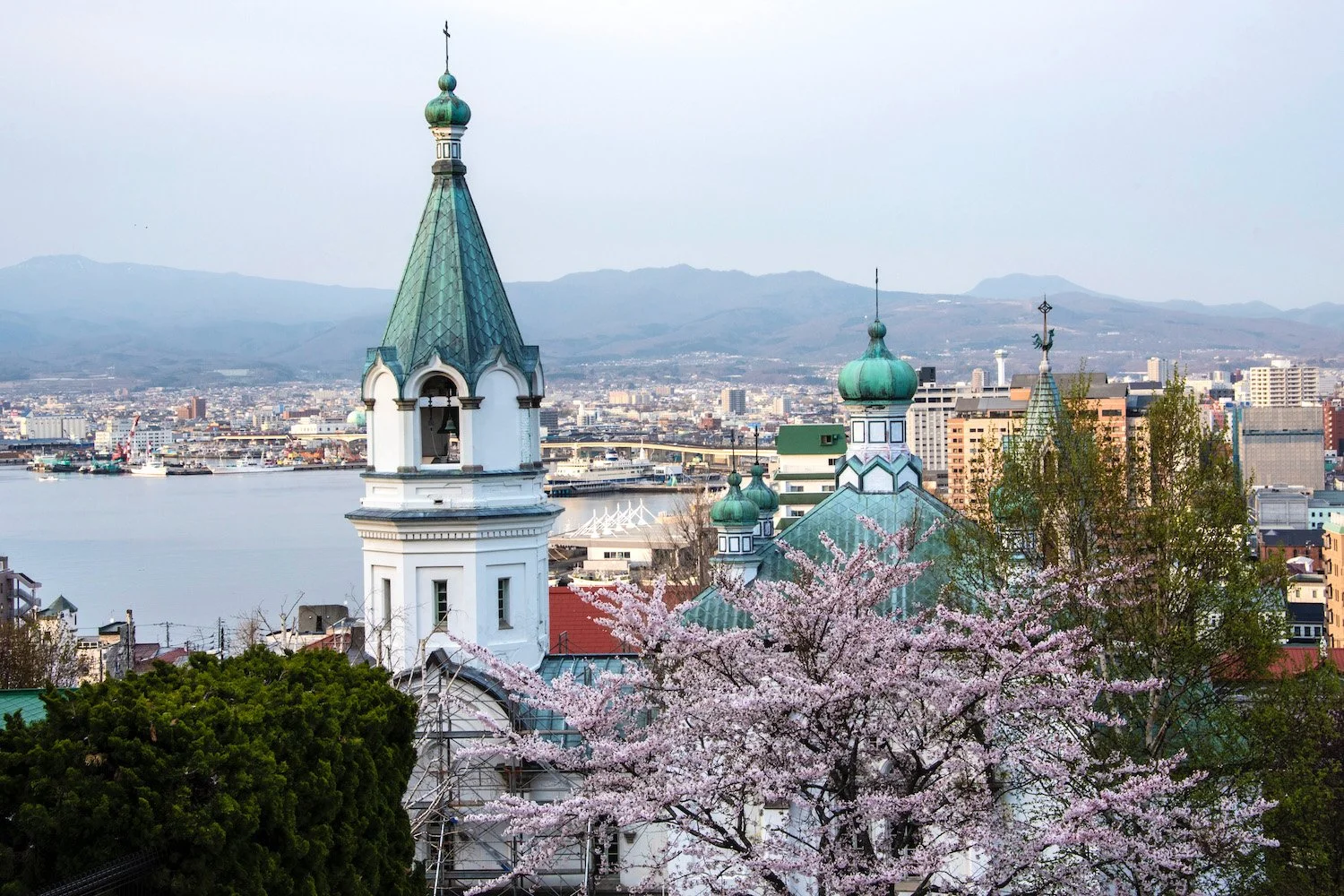
The Russian Orthodox church in Hakodate, one of three Western churches dating back to the 1880s. Hakodate is unique in having these survivals of the first Western contact following the opening of trade in 1853.
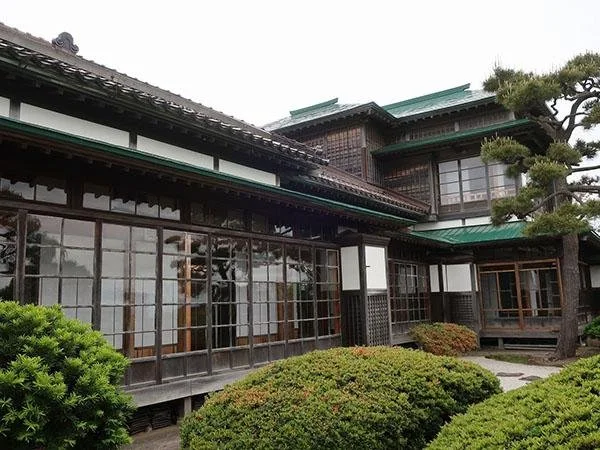
Old Soma Residence: a historic merchant's mansion in the Motomachi district, now a museum.
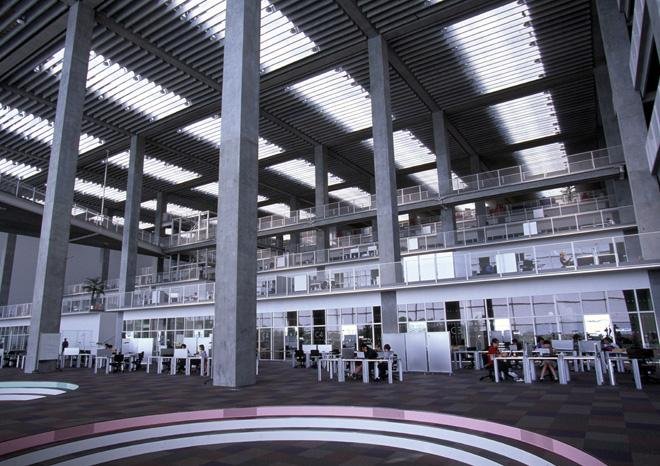
The interior of Future University, Hakodate, an extraordinary five-story open-plan modernist university.
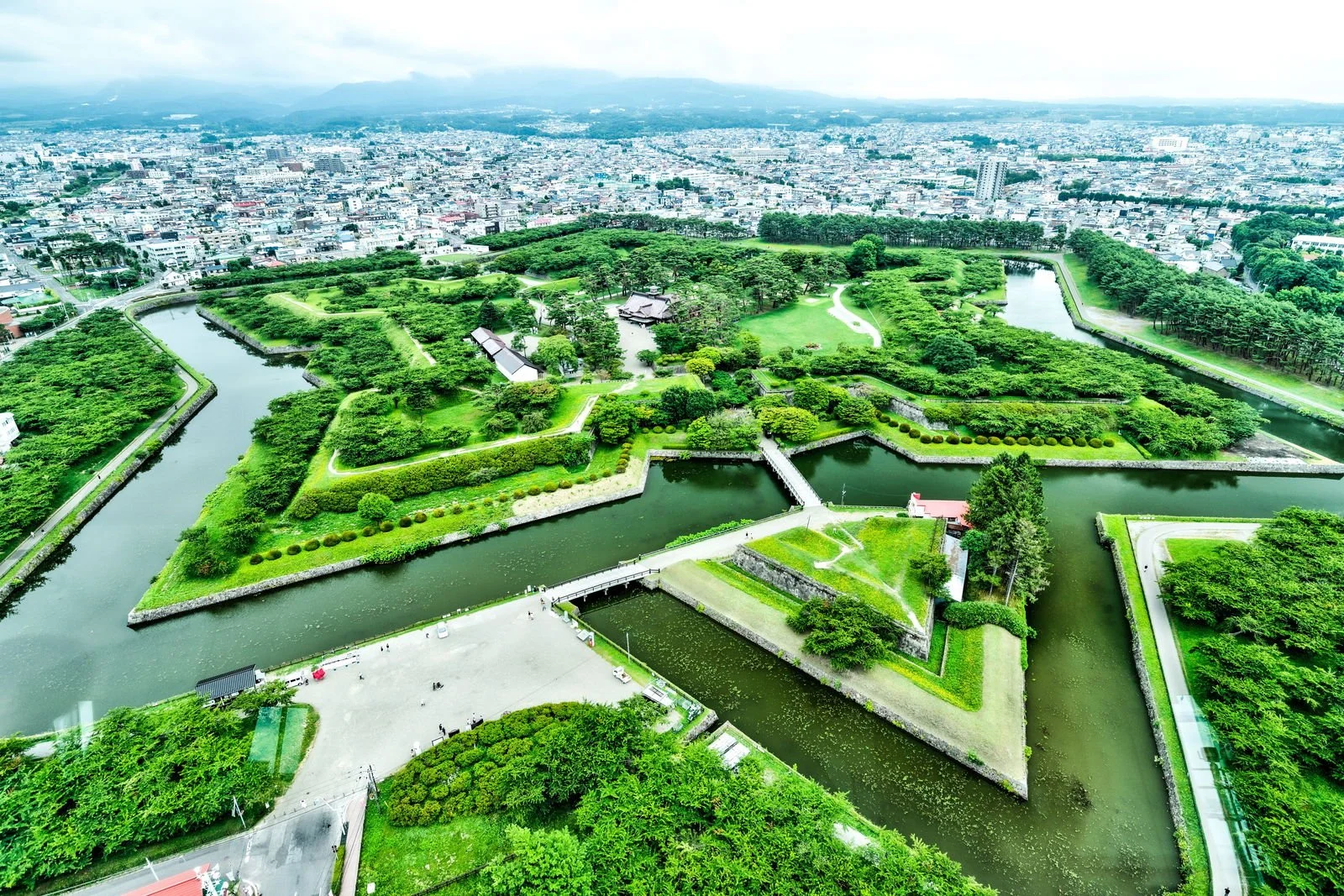
A view of the Star Fort at Goryoukaku, Hakodate. This is the site of the final conflict between the Tokugawa Shogunate and the Imperial Meiji forces in 1869.
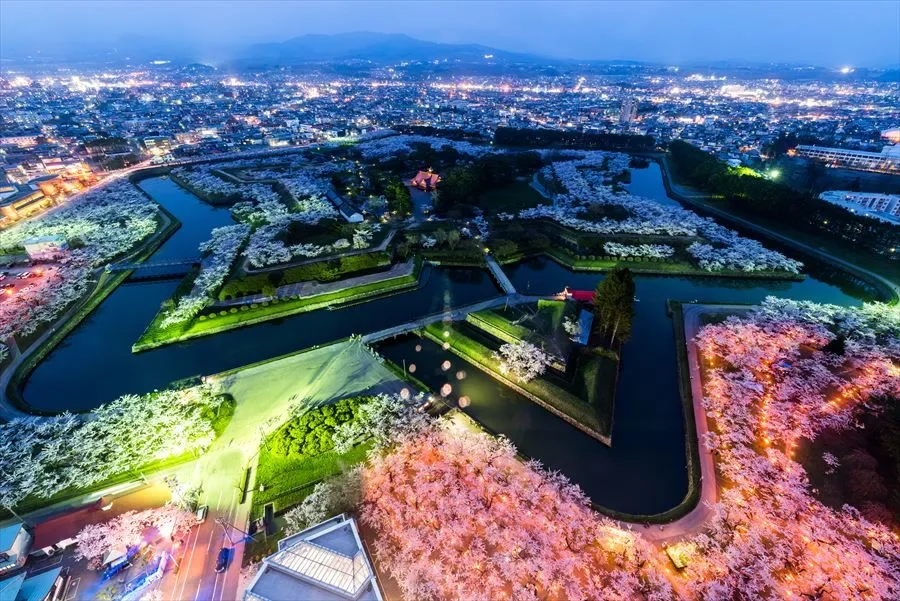
A view of the Star Fort at Goryoukaku, Hakodate, at nightfall.
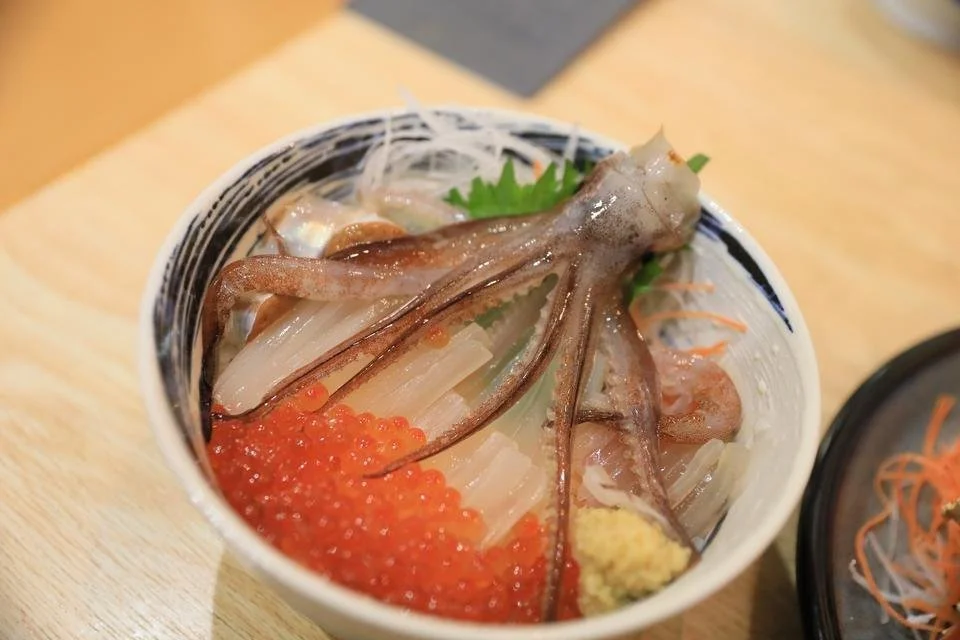
A typical Hakodate market dish, featuring octopus and ikura.
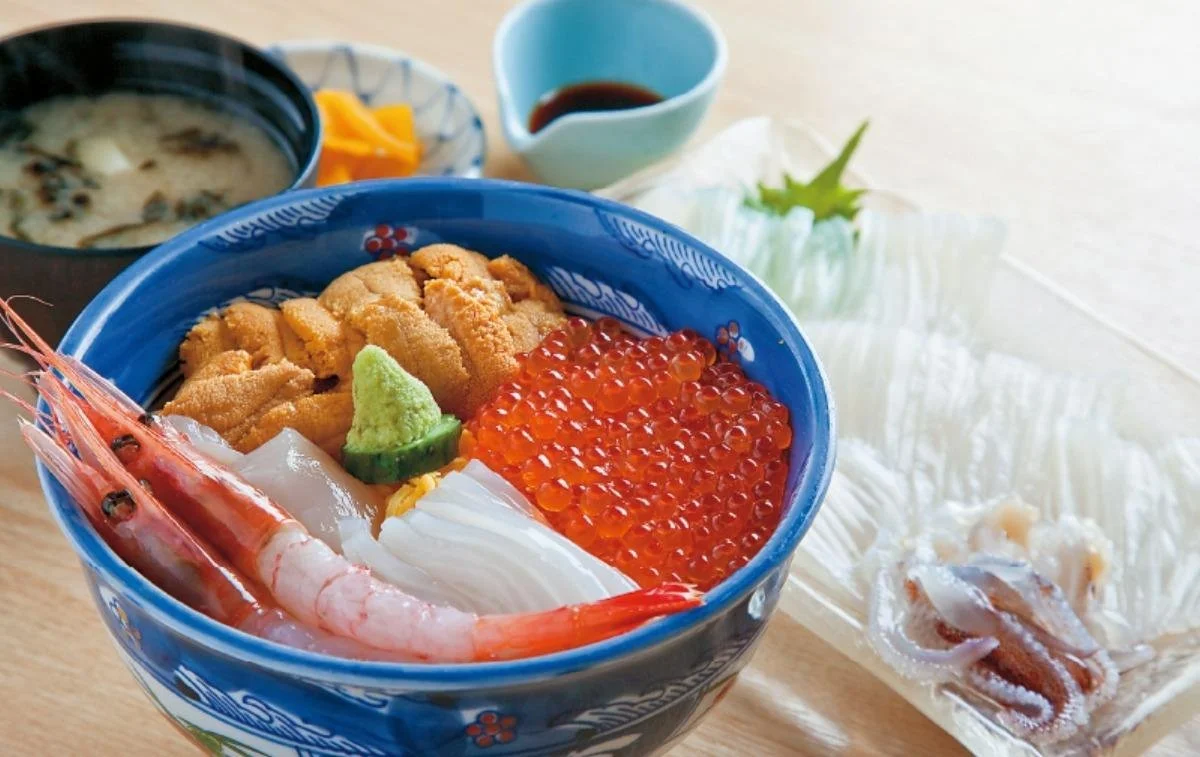
A Hakodate market dish available to eat in one of the market's many stalls, featuring prawn, sea urchin and roe.
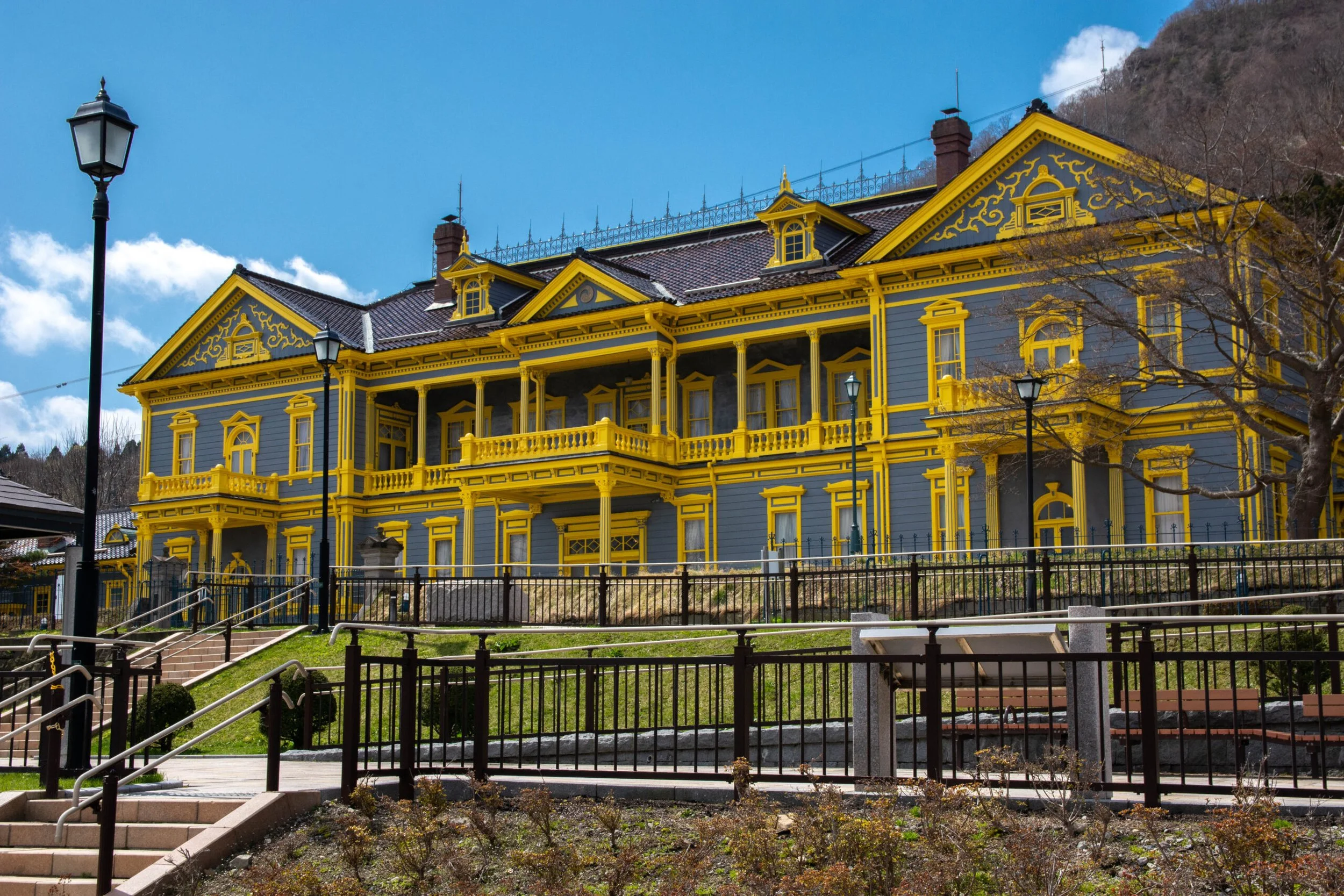
The Old Public Hall in Hakodate. 19th-century costumes are available for rent here.
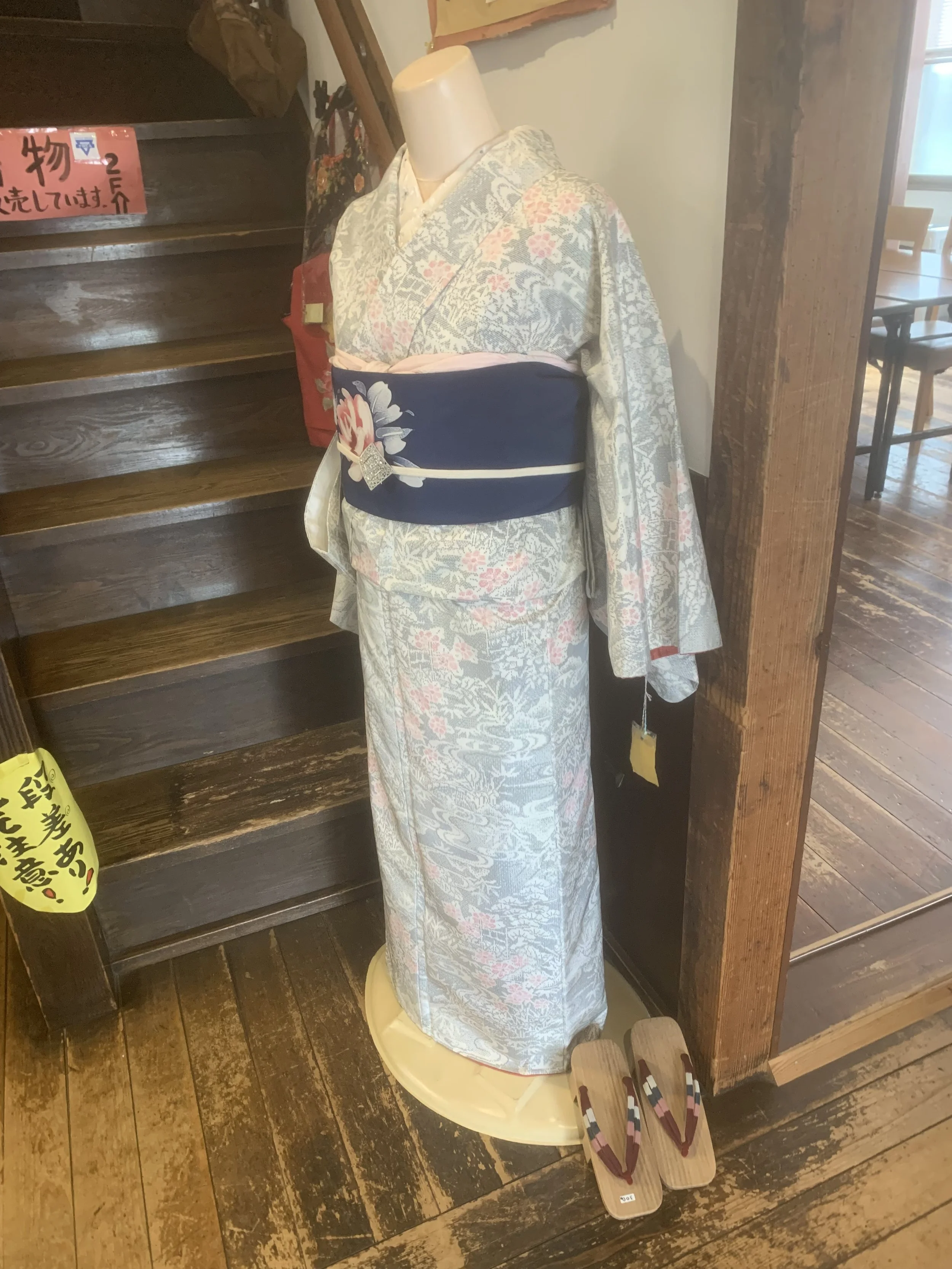
The interior of the YWCA building in Hakodate, built in the early 20th century and with a unique collection of kimono available to buy inexpensively.
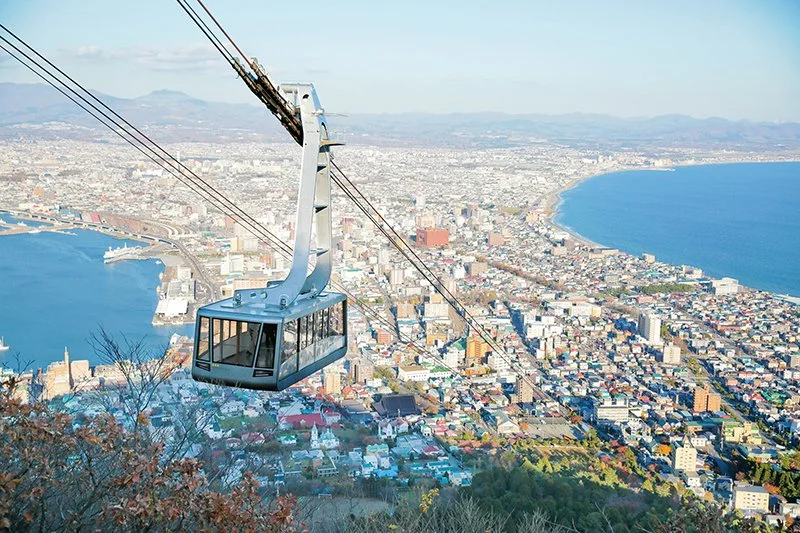
The Mount Hakodate cable car.
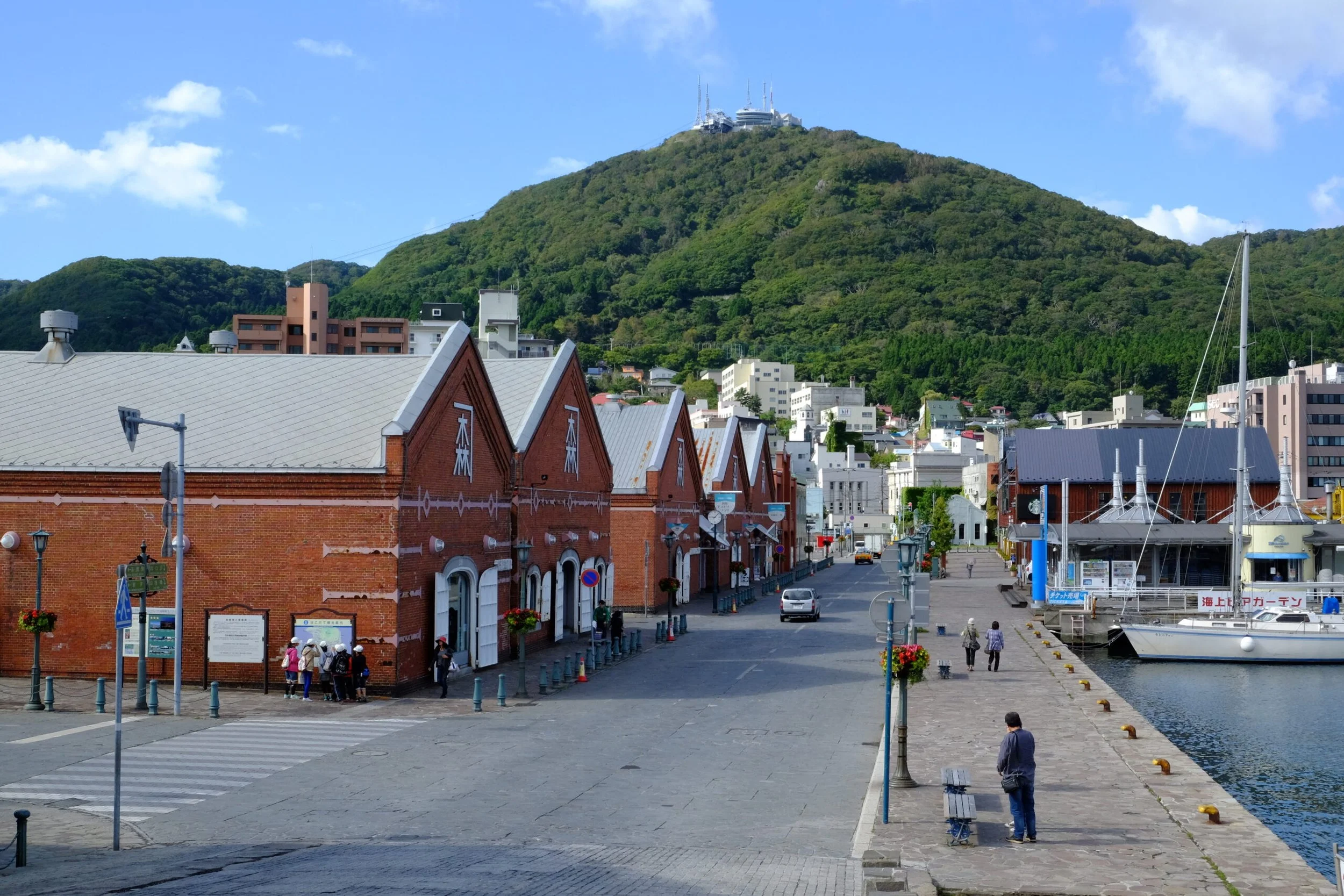
The Kanemori Red Brick Warehouses.
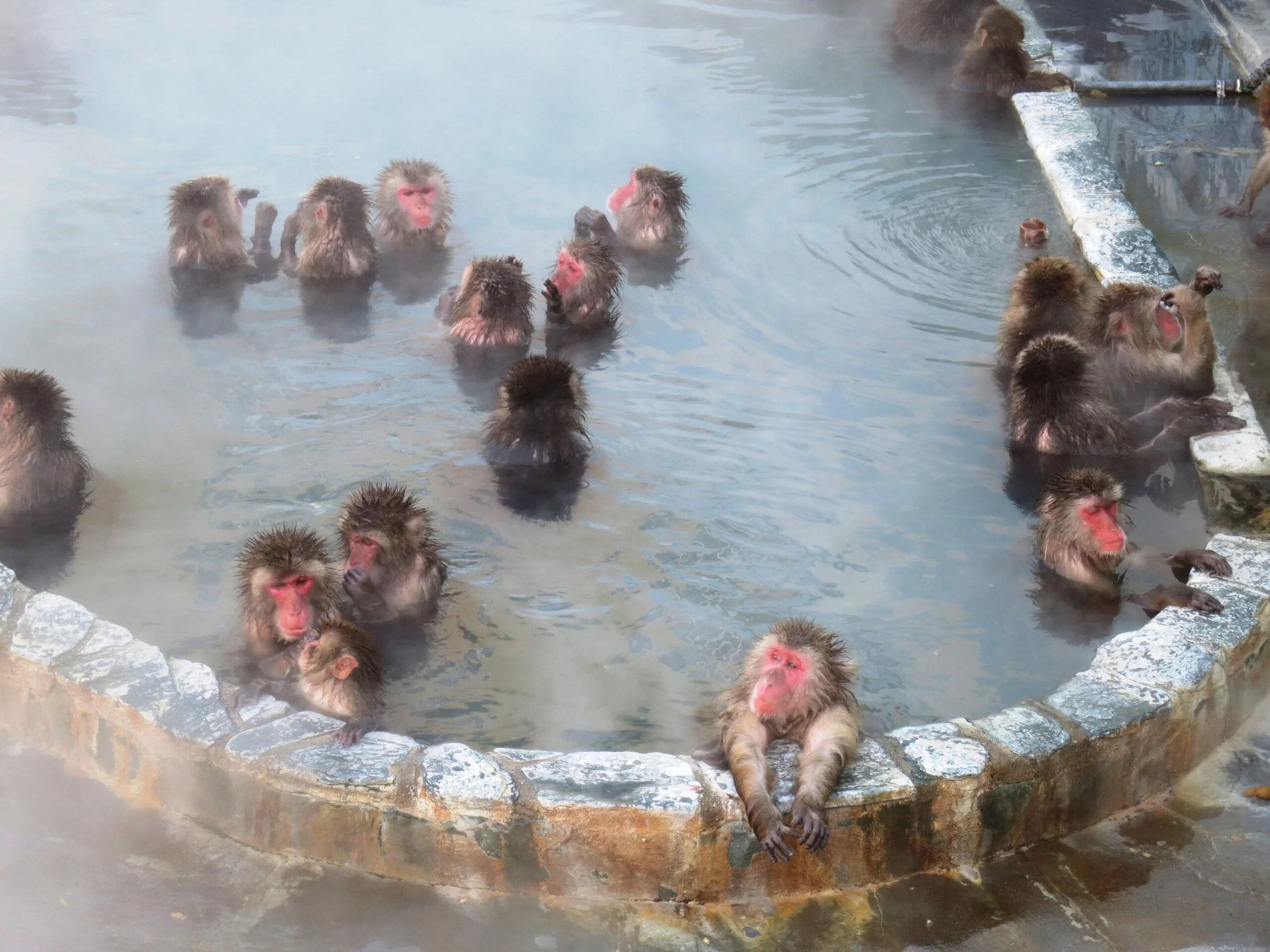
Monkeys bathing at the hot springs in Yunokawa, Hakodate.
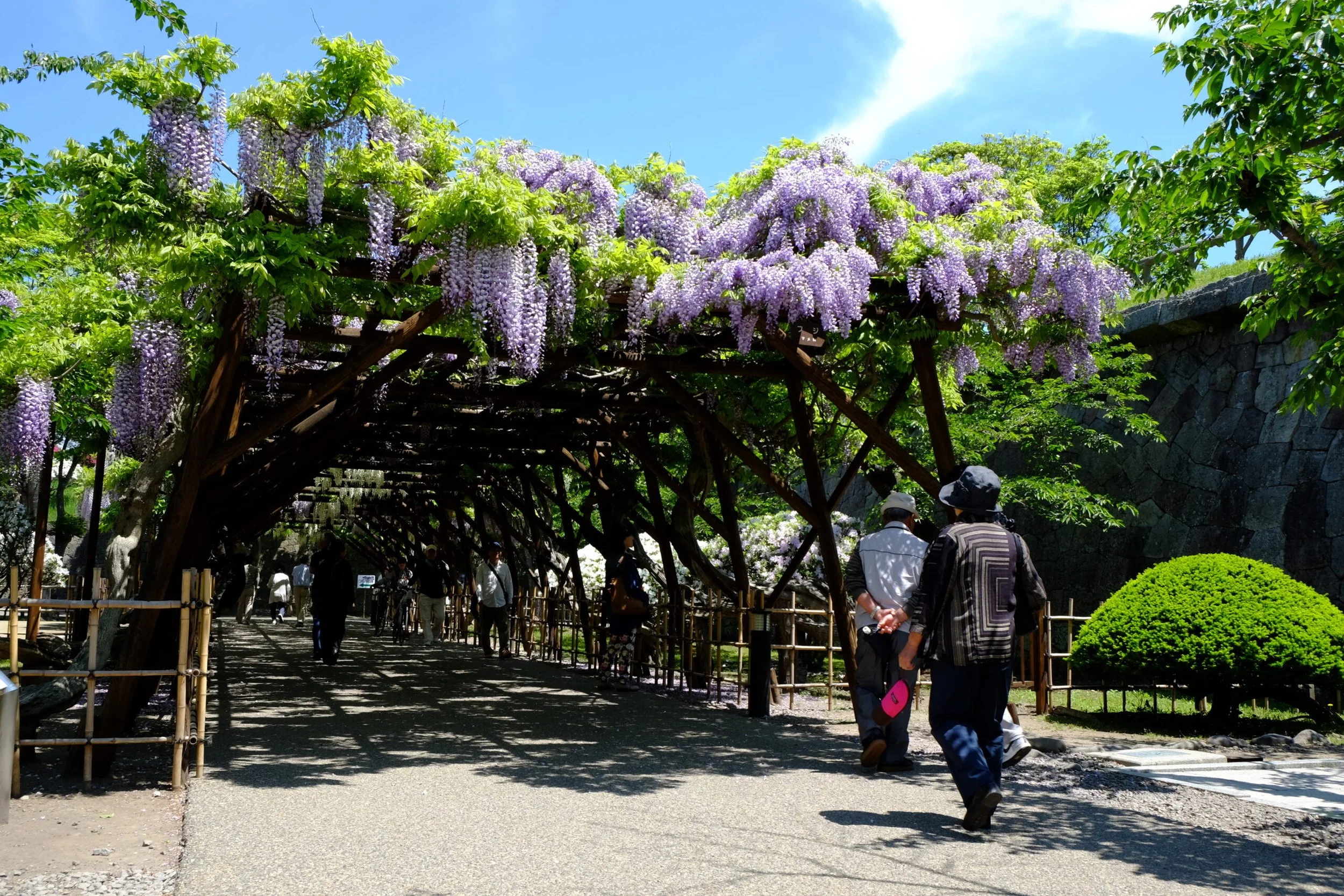
Wisteria in full bloom at the Star Fort.
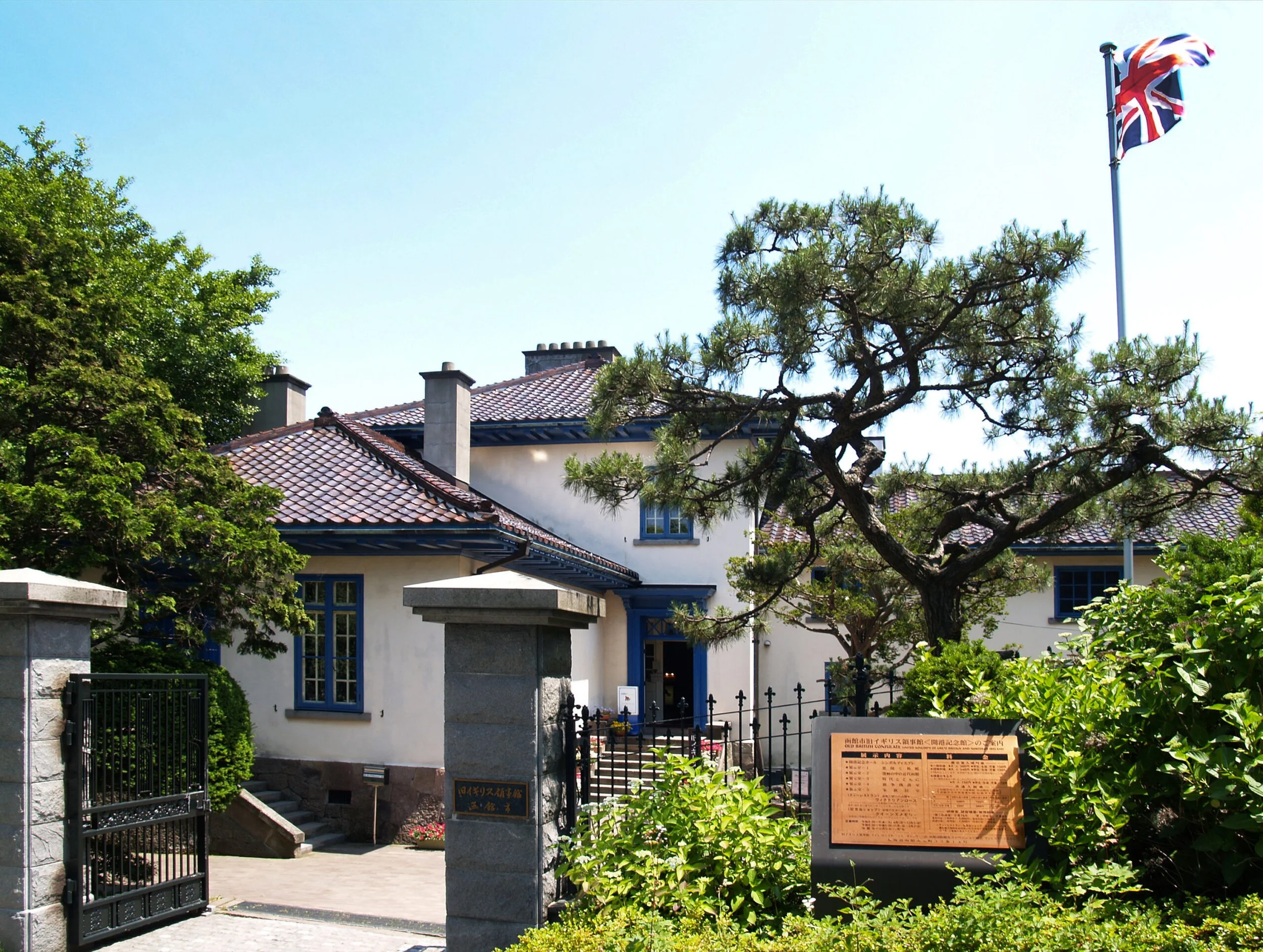
The Old British Consulate, Hakodate.
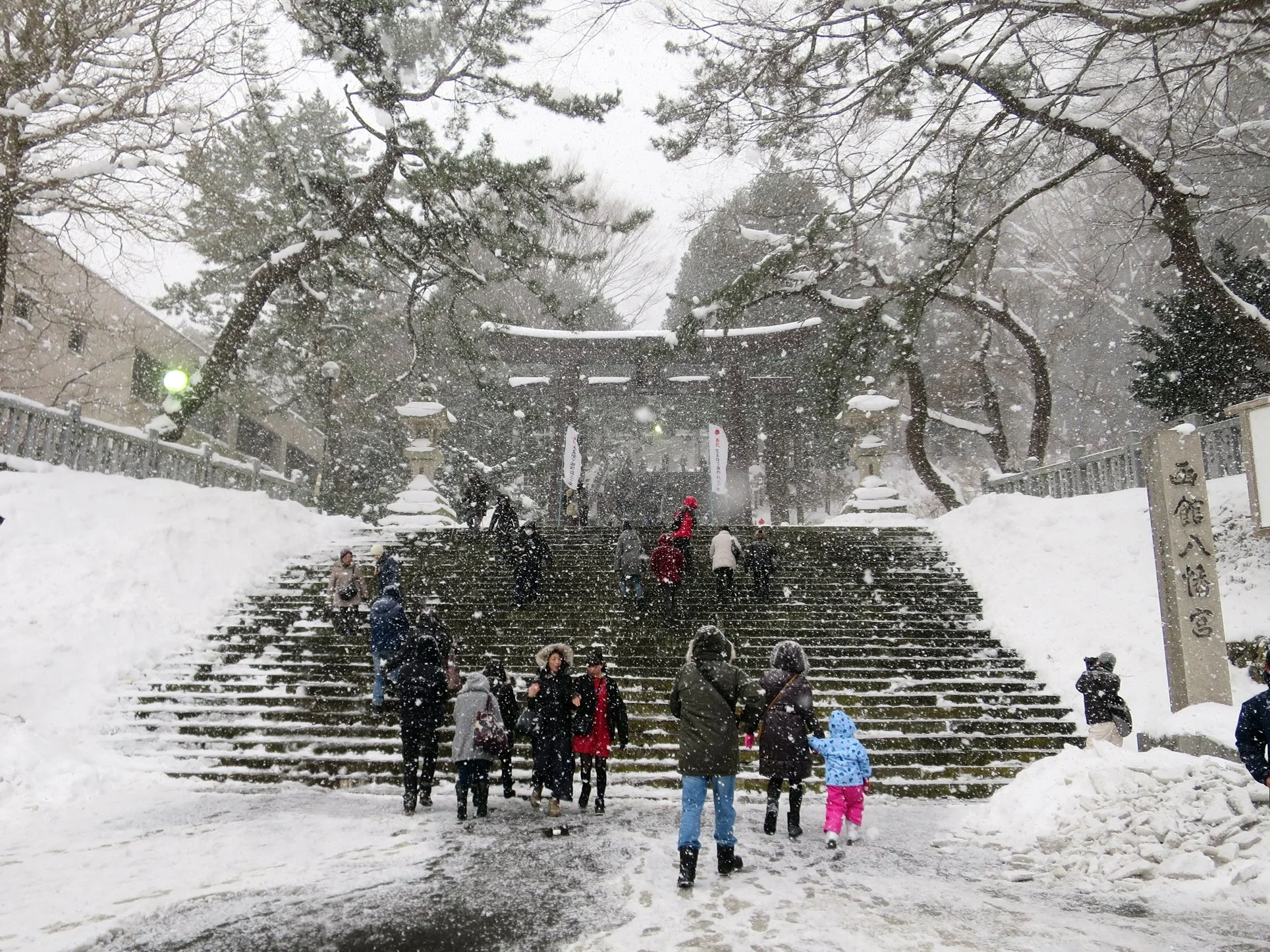
Hachmangu Shrine in winter.